With warmer weather drawing people outdoors, many homeowners are looking for simple ways to improve their gardens without committing to a full redesign. According to gardening experts, small, thoughtful changes can completely transform how a space looks and feels – both inside and out.
Start with Window Boxes for Instant Impact
“When people ask me about quick ways to improve a garden, window boxes are always one of the first things that spring to mind,” says Luke Newnes, garden expert at Hillarys “They can completely change how a space feels, inside and out.” However, one of the most common mistakes is choosing plants based purely on appearance rather than conditions.
“The biggest mistake I see is people picking whatever catches their eye at the garden centre without thinking about how much sun their space actually gets. It’s always better to work with the position of your home rather than fight against it.”
For south- or west-facing properties, drought-tolerant planting is key. Lavender, rosemary and thyme provide low-maintenance greenery alongside colour, scent and texture, while geraniums, pelargoniums and trailing verbena offer long-lasting blooms that cope well in heat.
For cooler, shadier north- or east-facing aspects, foliage takes centre stage. Ferns, ivy, heuchera and begonias all thrive in lower light and still create a full, layered look.
From a practical perspective, correct installation matters too. Leaving a small gap between the box and wall improves air circulation and helps prevent damp, while proper drainage and quality compost are essential for plant health.
“Visually, consistency is just as important, repeating the same planter styles and sticking to a more limited planting palette creates a much calmer, more polished look,” Luke adds.
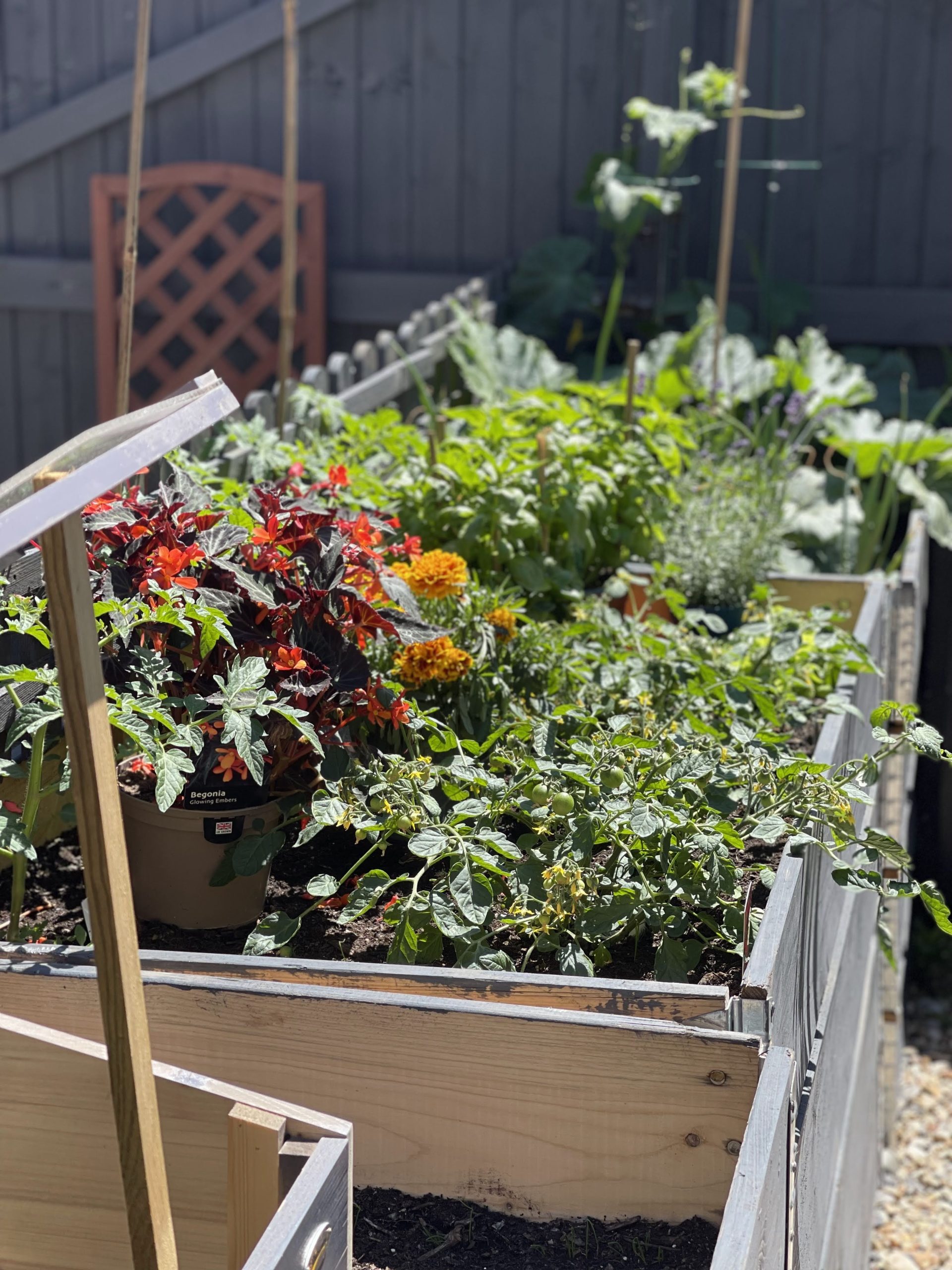
Raised Beds Add Structure and Simplicity
Timber raised beds are another quick-win solution that can dramatically elevate a garden.
“They’re one of my favourite projects because they instantly make a space feel more structured and considered,” says Luke. “You can build them over a weekend, and they add height, improve drainage and make planting much easier to manage.”
Raised beds work just as well for decorative planting as they do for vegetables, with flowers like cosmos, sweet peas and dahlias bringing colour and movement, while ornamental grasses add texture. They’re also particularly useful for zoning gardens or managing awkward layouts, such as sloped areas.
“One thing I’ve learnt over the years is that good compost makes all the difference. A lot of planting issues come down to poor soil quality,” Luke explains. “Lining timber beds is also worth doing as it helps protect the wood and keeps them looking good for longer.”
How to Soften a Pergola
Outdoor structures like pergolas are becoming increasingly popular, helping homeowners make better use of their gardens year-round.
“I have an aluminium pergola with an electric louvred roof in my own garden, and it’s completely changed how we use the space,” says Luke. “It provides shade in strong sun and shelter in the rain, making the garden feel like a true extension of the house.”
When it comes to styling these structures, planting plays a crucial role, but needs to be approached carefully. “With louvred roofs, climbers can sometimes interfere with how the mechanism works, so I usually suggest using large architectural pots instead.”
Olive trees, ornamental grasses, bamboo in containers and multi-stem shrubs are all strong choices, adding height and greenery without compromising functionality. Layering is key to creating an inviting feel.
“Mixing taller planting with softer, lower layers makes a seating area feel more relaxed and sheltered. Then it’s the finishing touches like warm lighting, cushions and throws that really turn it into an outdoor room.”
Designing Relaxation Zones with Hanging Chairs
Hanging chairs have become a popular addition to modern gardens, but placement is essential to make them feel intentional.
“The best place for a hanging chair is usually in a quieter corner, slightly away from main entertaining areas or walkways,” Luke explains. “People naturally use them to switch off, so positioning them somewhere calm makes a big difference.”
Styling the surrounding area helps integrate the feature into the overall design. “Something as simple as an outdoor rug, a small side table and some planting nearby can transform the space. It turns the chair into its own destination rather than something that feels randomly placed.”
The Most Common Features That Date a Garden
Finally, when it comes to updating a tired garden, less is often more. “One thing I always notice with gardens that feel dated is that there’s usually too much going on. Mismatched pots, faded plastic furniture, broken paving, novelty ornaments and harsh white lighting can all make a space feel chaotic.”
Instead of adding more, removing clutter is often the best first step. “I’m a big believer that empty space is underrated, not every corner needs filling.”
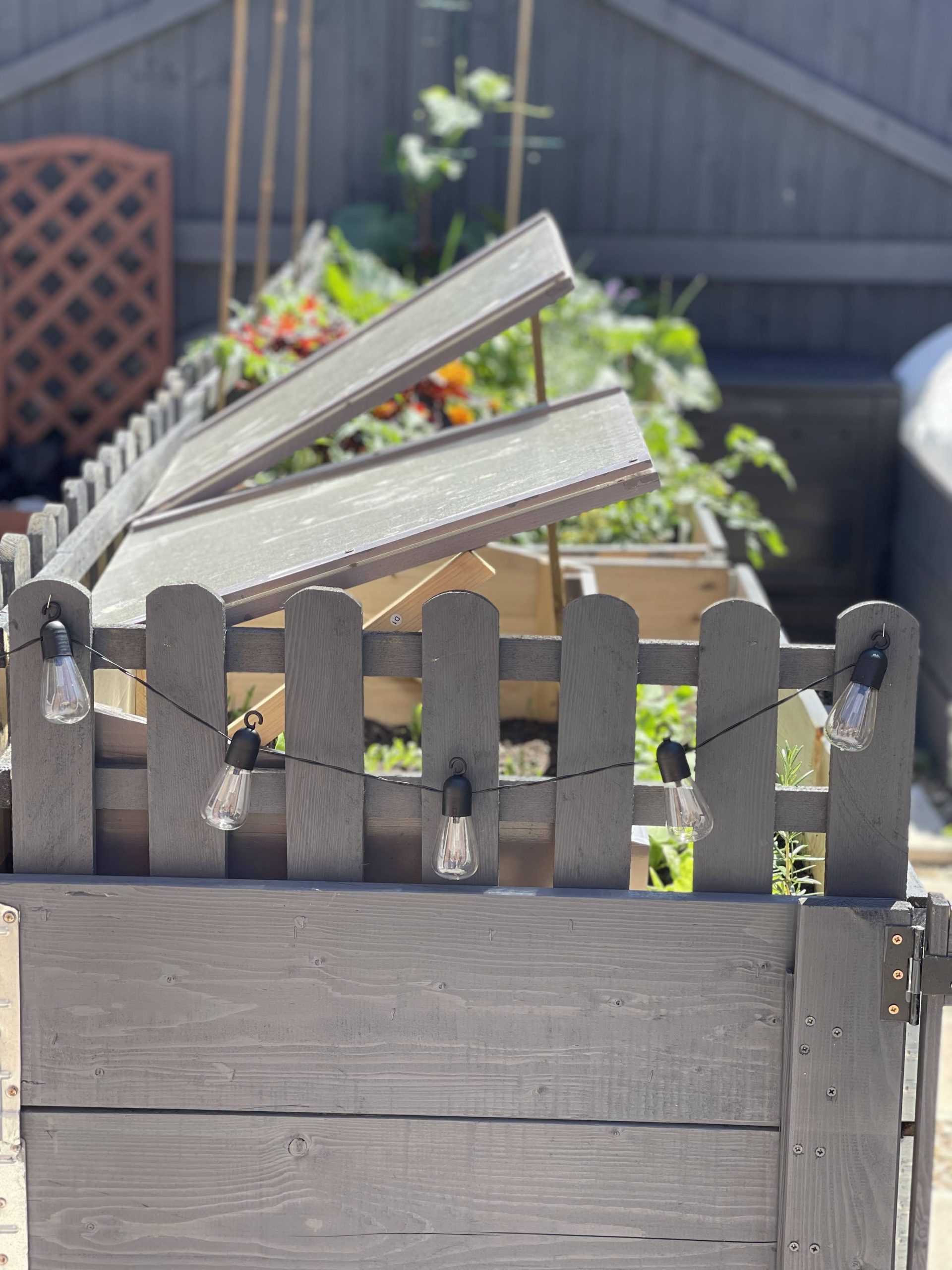
For a more polished, high-end look, upgrading materials can make a significant difference. Swapping plastic furniture for timber, metal or rattan-style pieces instantly elevates a space, while using fewer, larger planters creates a calmer aesthetic. Lighting is another key factor.
“Warm, layered lighting creates a much softer, more inviting atmosphere than bright white lights,” Luke notes. “Repeating similar materials, colours and textures throughout the garden is what gives it that cohesive, professionally designed feel, even on a modest budget.”
Don’t forget to bookmark LifestyleLinked.com for more expert-led features and follow @BeckyBowdenUK on Instagram for daily updates.