
British style has never belonged to one particular look. It can mean a perfectly cut suit, a weathered pair of jeans, a textured overshirt or simply clothes that feel considered without appearing overly styled.
AD | contains paid advertorial.
Two brands approaching this idea from very different places are Hiut Denim and Wax London. One operates from a denim factory in Cardigan, West Wales. The other designs contemporary clothing from the capital. Their collections look different, but both demonstrate how provenance, character and everyday practicality can coexist.
Cardigan and its denim-making heritage
Cardigan, or Aberteifi in Welsh, has a history of making jeans that stretches back generations. During the 1960s, its jeans factory employed more than 400 people and produced approximately 35,000 pairs every week.
When production moved overseas in 2002, the factory closed. The machinery stopped, but the knowledge held by the town’s experienced cutters and machinists remained.
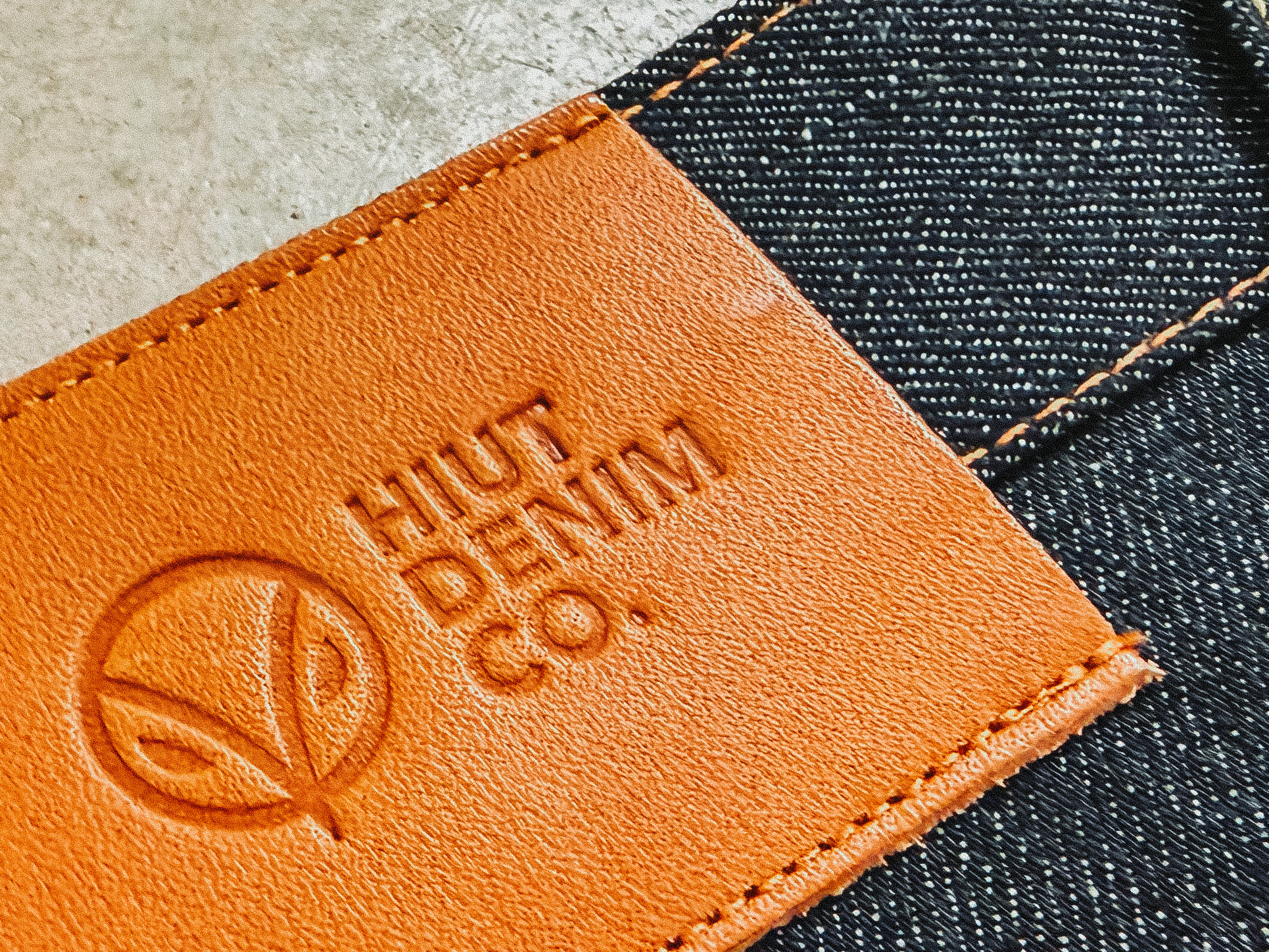
Hiut Denim was founded in 2011 with a focused purpose: to bring jeans manufacturing back to Cardigan and put those skills to work again. Its approach has remained deliberately specialised. Rather than attempting to produce every type of clothing, Hiut concentrates on making jeans in its own Welsh factory.
Each pair passes through the hands of experienced makers before being checked, finished and signed. It gives the finished jeans a direct connection to the people and place responsible for producing them.
Jeans designed for years of wear
Good denim becomes more personal with use. The fabric softens, creases and fades according to how it is worn, creating a finish that cannot be replicated perfectly in advance.
That process only matters when the jeans are sufficiently well made to remain in regular use. Hiut supports this principle by offering free repairs for life, allowing worn areas to be repaired at its factory rather than treating damage as an automatic reason to replace a pair.
The brand also offers different shapes rather than relying on one universal cut. The Jerald provides a classic straight fit, while the Edna offers women a wider, more relaxed silhouette. Across the range, the emphasis remains on strong denim, practical proportions and fits that can become part of an everyday wardrobe.
The current selection of Hiut Denim jeans demonstrates why the brand works particularly well for people looking for one dependable pair rather than several short-lived alternatives.
A contemporary perspective from London
Wax London represents a different side of British clothing. Founded in 2015, the brand takes a more expressive approach to everyday menswear, combining familiar shapes with distinctive fabrics, colour and texture.
Its clothing is designed in London, but its influences extend much further. British heritage is mixed with Mediterranean sensibility and the craftsmanship of manufacturing partners around the world.
This broader outlook gives the collection personality without making it difficult to wear. A patterned short-sleeved shirt can bring interest to plain trousers. A textured overshirt can function as a light jacket or an additional layer. Knitwear, trousers and relaxed tailoring can be combined with pieces already sitting in the wardrobe.
Rather than depending heavily on logos, Wax often allows the fabric to provide the identity. Checks, jacquards, seersucker, embroidery and unusual weaves make relatively simple garments feel more distinctive.
Why texture makes such a difference
Many wardrobes are built around neutral colours because they are easy to combine. Navy, black, stone, olive and ecru remain useful for good reason, but a wardrobe made entirely from flat fabrics can start to feel repetitive.
Texture introduces variation without requiring loud colours or graphics. A woven overshirt worn with denim is still an easy outfit, but it has more depth than a standard sweatshirt. A seersucker shirt offers visual interest while remaining relaxed. A brushed knit can soften the harder appearance of raw denim or workwear trousers.
This is where the Wax London collection fits particularly well. Its stronger designs can become the focal point of an outfit, while quieter pieces bring subtle texture to everyday combinations.
Two different approaches with a shared purpose
Hiut and Wax do not produce the same type of clothing, nor should they. Hiut’s strength comes from its concentration on denim and the skills preserved within its Cardigan factory. Wax is broader and more seasonal, using fabric and design to reinterpret familiar wardrobe pieces.
What connects them is an understanding that everyday clothing does not need to be disposable or anonymous.
A pair of well-made jeans earns its value through repeated wear. An overshirt earns its place by working across different seasons. A patterned shirt becomes useful when it can be worn casually, layered under a jacket or taken on holiday.
Versatility does not have to mean choosing the safest possible option. It means buying clothing that suits real life and can be worn in more than one fixed outfit.
Wearing the two brands together
The easiest starting point is a pair of straight-leg jeans with a simple T-shirt and a textured Wax overshirt. The denim provides structure, while the overshirt brings colour or pattern without making the outfit feel overworked.
As the weather becomes warmer, the overshirt can be replaced with a short-sleeved shirt. In cooler months, knitwear and heavier outer layers can be added without changing the foundation of the outfit.
Footwear can also change the overall character. Trainers create a relaxed finish, while leather boots make the same jeans and overshirt feel more substantial. This adaptability is what makes both brands useful beyond a single season or trend.
British clothing with a sense of place
There is no requirement for British brands to share a single aesthetic. In fact, the contrast between Hiut Denim and Wax London is what makes them interesting.
Hiut reflects the industrial knowledge of a West Wales town and the belief that specialist skills are worth preserving. Wax reflects London’s mix of cultures, creativity and willingness to reinterpret established ideas.
Together, they offer a convincing picture of modern British style: grounded in heritage but not trapped by it, distinctive without being impractical, and designed to become part of everyday life rather than remain untouched in the wardrobe.