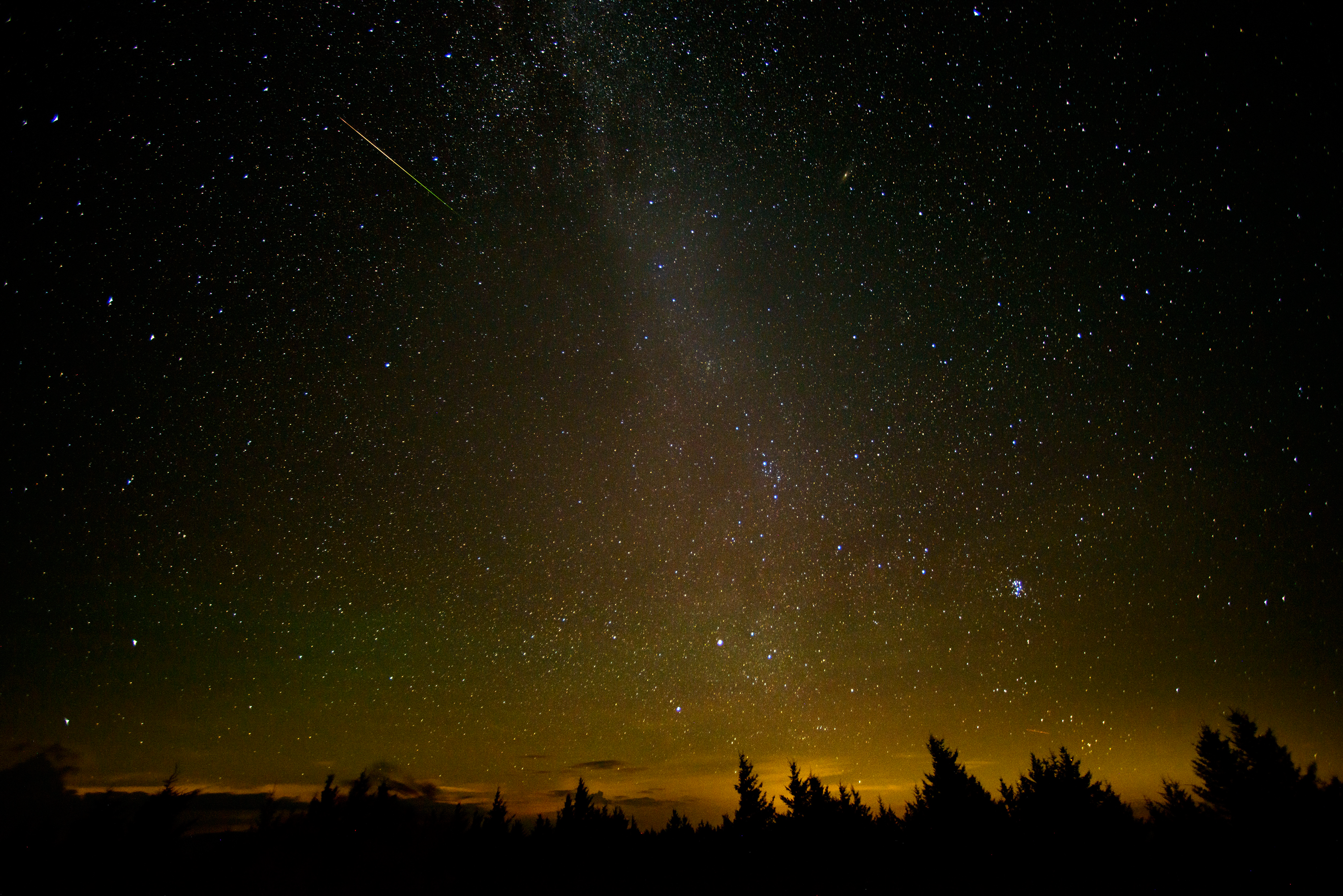
The Perseids are one of the biggest, brightest and most magical celestial events of the year, and are often found firmly marked on any keen stargazers calendar. The Perseids peak happens after the solar eclipse tonight, with huge potential for hundreds of sightings.
When exactly is the Perseids meteor shower and when does it peak?
The Perseids are active from July 17 – August 24, 2026 and are highly revered by stargazers, thanks to a typically high frequency of impressive meteors that are often spotted, and the favourable summer viewing conditions. Unlike some of the winter displays, it is typically a much more enjoyable time of the year to sit in the garden and enjoy nature’s most spectacular cosmic show.
According to Astrophysicist and astronomer Dr Mark Gallaway , The annual Perseid meteor shower reaches its peak on the night of August 12 into the early morning of August 13, offering one of the year’s best celestial displays.
What makes the Perseids 2026 exceptionally perfect for stargazing?
The 2026 Perseids peak coincides with a new moon, making for the darkest sky, without the bright, ethereal glow hindering our view. With the current British heatwave providing much of the UK with clear skies and warmer evenings, there’s added potential for some spectacular sightings.
Dr Mark explains: “Thanks to a moonless night sky, conditions are ideal for spotting up to 100 shooting stars per hour as Earth passes through the dust trail left behind by Comet 109P/Swift-Tuttle. Though these meteors are tiny, with most being no bigger than a grain of sand, they hit the upper atmosphere at 130,000 mph, superheating the surrounding air and creating brilliant, glowing streaks 80 to 100 kilometers above the ground.”
How to get the best view of the Perseids and exactly where to look
There are no set rules to watching the Perseids, and having fun experiencing this magical event with friends and family should definitely be your priority, but if you want to up your game, Dr Mark explains how to maximise your chances of gaining the best view possible.
He tells us: “To catch the best view, head away from city lights after 11:00 PM and allow your eyes roughly 20 minutes to adapt to the dark. Look toward the North-North-East sky to find the distinct ‘W’ shape of Cassiopeia; the shower’s radiant sits in Perseus just below it, though scanning the surrounding open sky will reveal longer, more dramatic trails.”
How to photograph the Perseids?
As an extra tip for keen photographers, Mark adds: “If you want to photograph the spectacle, mount a DSLR or mirrorless camera on a tripod with a wide lens, open the aperture wide, set your ISO to 1600–3200, and run continuous 15- to 25-second exposures throughout the night.” and you’ll have an excellent chance of snapping some picture perfect memories of this mesmerising celestial event.