
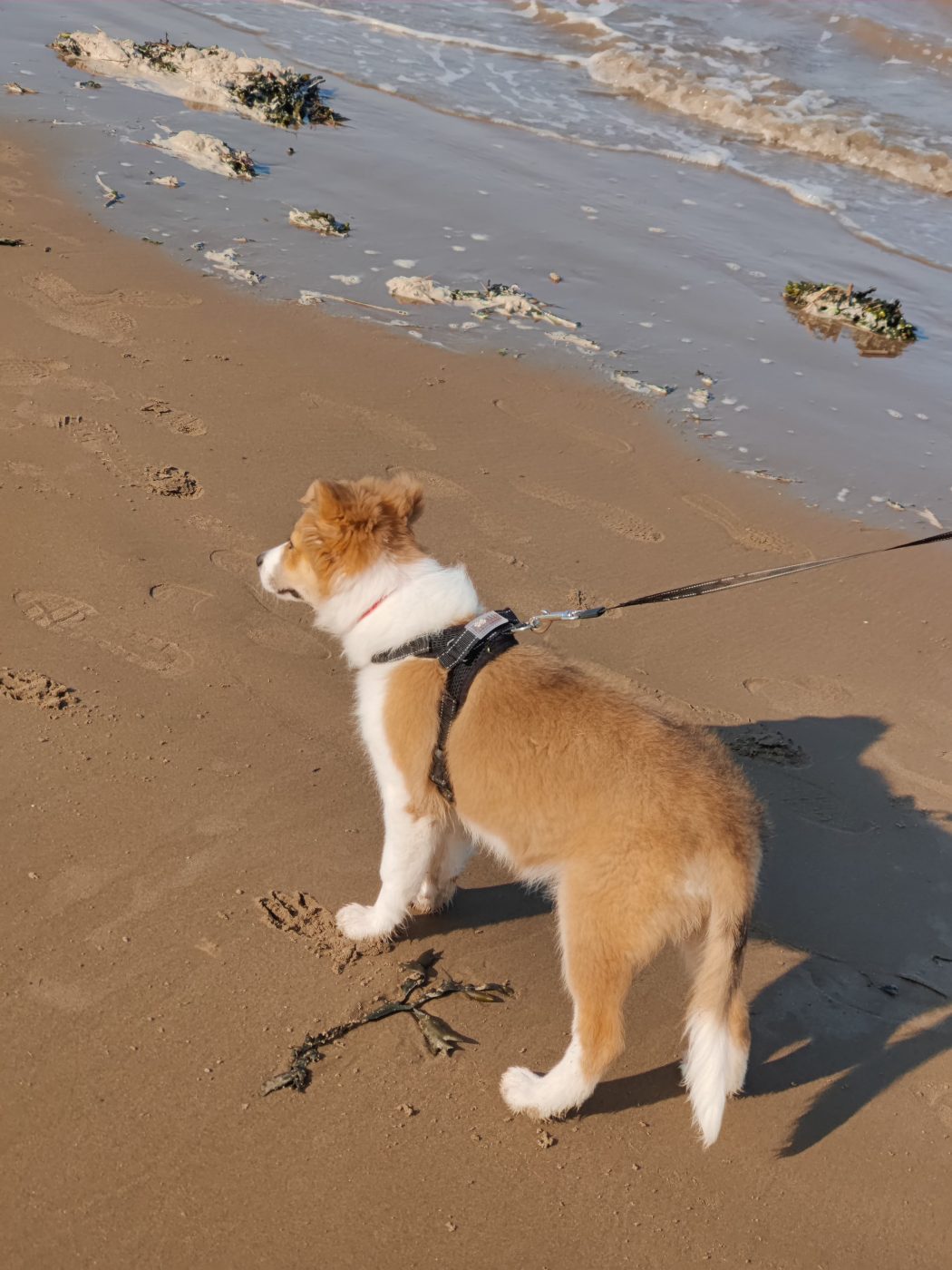
Experts have shared training advice to help dog owners keep their pets under control around livestock and avoid costly penalties, as new laws in England and Wales come into force to better protect farm animals from attacks.
Changes introduced on 18 March 2026 under the Dogs (Protection of Livestock) (Amendment) Act 2025, expand protections to include camelids such as llamas and alpacas, allow prosecutions for incidents on public footpaths, and give police new powers to seize dogs and collect DNA evidence. Under the rules, owners could face unlimited fines and may even have their pets removed if they fail to keep them under control around livestock.
The measures follow reports that nearly £2 million worth of livestock were injured or killed by dogs in 2025, highlighting the need for responsible ownership and effective training. Dog training experts at ACME Kennels are urging owners to follow proper training guidance, including ensuring dogs are suitably trained before being allowed off lead near livestock.
They warn that mistakes in the early stages of training can lead to behaviours that are difficult to control in these environments, increasing the risk of attacks and potential legal consequences.
Ben McFarlane, an expert at ACME Kennels, said:
“When dogs aren’t properly trained from the start, issues like poor recall and overexcitement can make them difficult to control, especially around livestock. If a dog won’t reliably come back when called, it shouldn’t be off lead.
This law is a positive step, but it highlights how important it is for owners to always have full control of their dogs. Early training mistakes, such as inconsistent commands or rushing the basics, often lead to unreliable behaviour later. Strong foundations are key to ensuring dogs remain calm, responsive and safe around livestock.”
Top training tips to keep dogs under control around livestock, according to the experts from ACME Kennels:
- Learn recall
Recall is one of the most important skills a dog can learn for staying safe around livestock. Even if a dog is usually kept on a lead, there is always a chance it could slip free or get loose, and reliable recall ensures it can be called back before it approaches or disturbs livestock. A consistent, dependable recall helps owners maintain control and prevent incidents, making it a vital part of responsible training. - Train young
Ideally, owners should begin training when a dog is a puppy, as it’s easier to build reliable habits early and establish strong control around livestock. However, dogs of any age can still learn to respond consistently with time and patience. The key is developing a dependable recall so the dog can be safely kept under control in livestock environments. - Don’t rush through early training stages
Moving too quickly through the basics can lead to gaps in recall and obedience, making it harder to keep a dog under control around livestock. Focus on building reliable responses to commands, practising in different environments with gradually increasing distractions, and only progress once your dog consistently responds. - Use a lead around livestock
While still training and building reliable recall, dogs should be kept on a lead when near livestock. This allows them some freedom while ensuring the owner maintains full control at all times. Using a long lead can provide extra range in open areas but still prevents the dog from approaching livestock unsupervised. It is the safest way to manage behaviour while trust, control and consistent recall are being developed. - Don’t let bad habits take hold early on
Behaviours that seem harmless as a puppy, such as ignoring recall or not listening to commands, can become serious problems around livestock. Address unwanted behaviour early and consistently, reinforcing calm responses and reliable recall so your dog remains under control in high-distraction environments. - Use reward
Listening to an owner, for example coming back to an owner should be a positive experience for a dog, so good behaviour should be rewarded with high-value treats, praise or toys. Consistent rewards help reinforce the behaviours you want, encouraging reliable responses and helping your dog remain calm and under control in livestock environments. - Avoid using inconsistent commands and signals
Inconsistent commands, such as switching between a whistle, verbal cue or gesture, can confuse a dog and weaken recall and obedience around livestock. Using consistent commands and a steady tone helps build clear understanding and reliable responses, ensuring your dog remains under control in high-distraction environments.
For more information, visit: https://www.acmewhistles.co.uk/acme-kennels